In Adilang Sub-County, Agago District, many households had no latrine. Open defecation spread diseases such as diarrhoea, cholera and typhoid, and treating them cost families money they could not spare.
Taking the debate to the villages
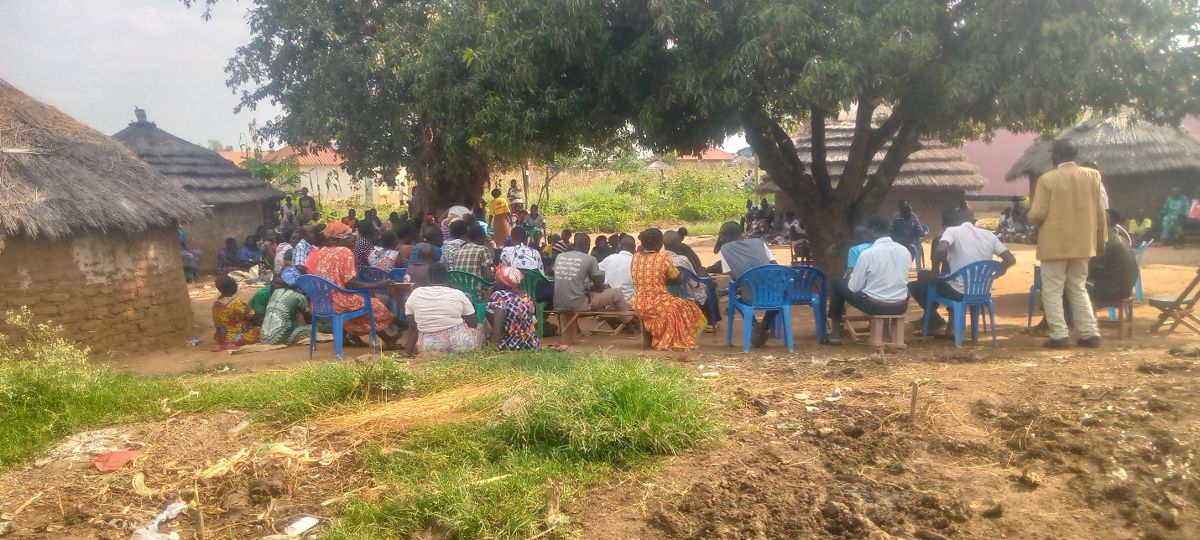
In June 2025, Radio Wang Ooh 93.3 FM launched a prime-time campaign against open defecation in Adilang. Evening programmes explained how it spreads disease. The station also held sensitisation meetings and debates in the villages, recorded them, and broadcast them, so residents heard their neighbours' experiences and ideas on air.
We realised that talking about open defecation on the radio was not enough. We had to go to the villages, sit with the people, debate openly, and then amplify those voices on air so the lessons spread further.
The radio brought the message to every home, and the local meetings made people take ownership.
What changed
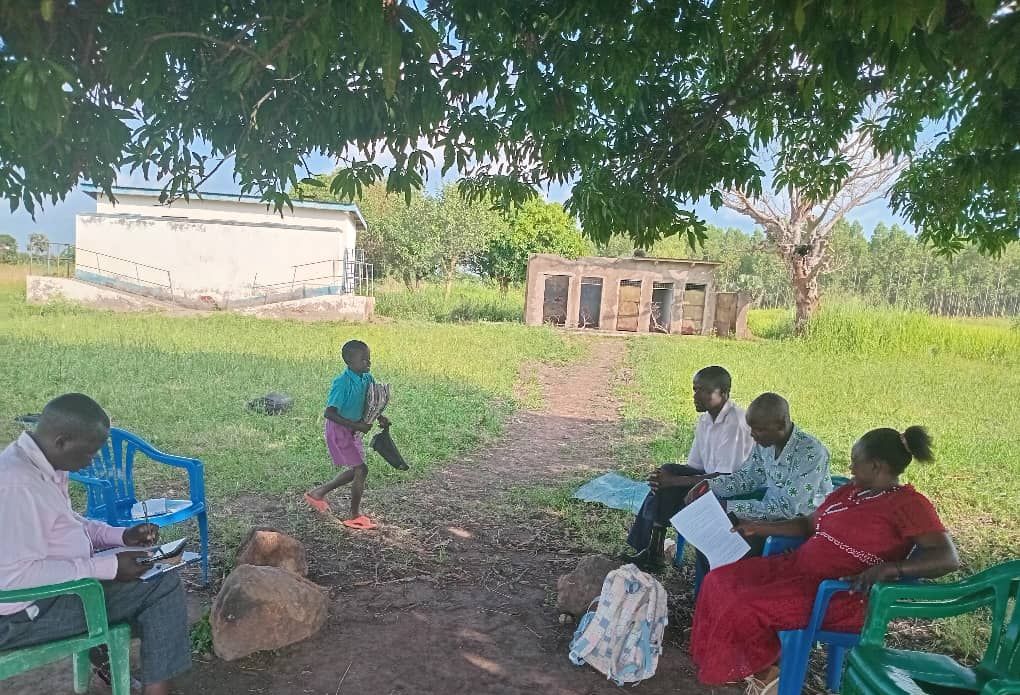
Health workers at Adilang Health Centre IV said they had seen fewer cases of diarrhoea and cholera, and credited the radio station, local leaders and the community.
Grace Alanyo of Namodiyo village attended a meeting and heard the debates on air. Her family then built a pit latrine. She says her children are healthier and the family spends less on treatment.
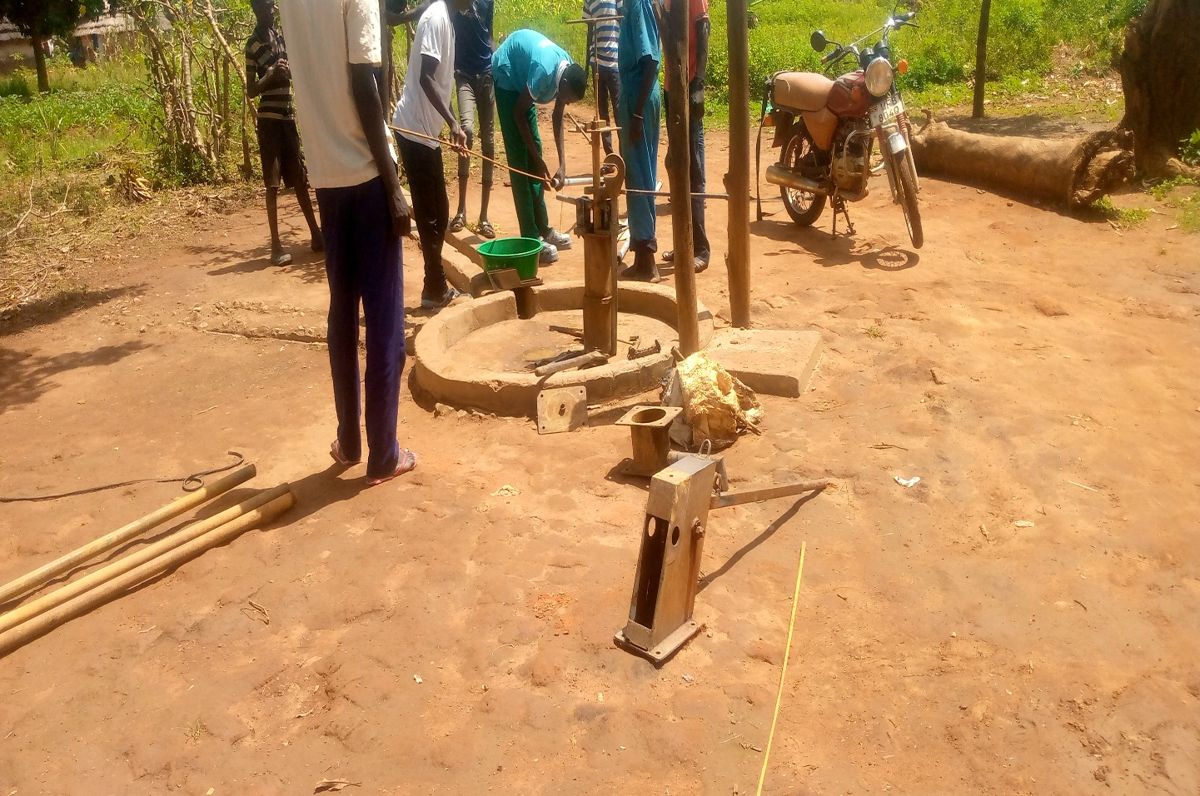
Young people became sanitation champions. They patrolled villages, helped vulnerable families build latrines and promoted handwashing.
Lessons
- Radio reaches every home, and broadcasting village debates makes the message local.
- When leaders and residents run a campaign together, they hold each other to account.
- Young volunteers can turn awareness into latrines, especially for households that cannot build alone.