Where the schools started
In February 2025, with support from the Roddenberry Foundation, NETWAS Uganda assessed sanitation in nine primary and nursery schools in Patongo Town Council for climate risks. None had a system that was both safe and climate-resilient. Only one had a handwashing station, eight dumped waste in the open, and the three on flood-prone land had latrine pits that overflowed in the rains. Read the full assessment.
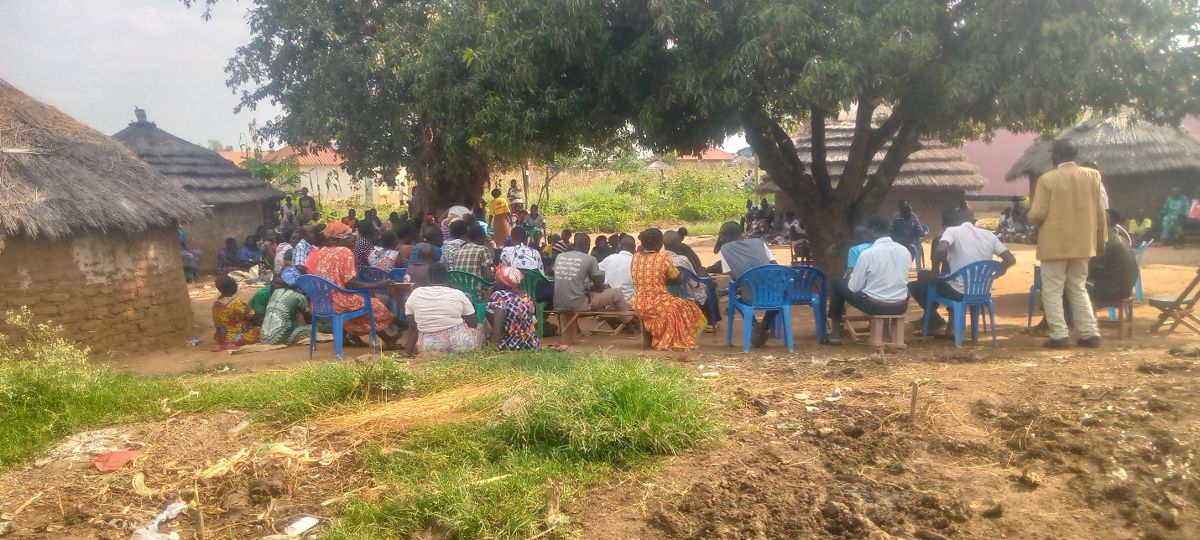
Teachers from the schools were then trained in sanitation safety planning: how to spot hazards along the whole sanitation chain, plan for them, manage waste and support girls during menstruation. The trainees included the head or deputy head teacher, the senior woman and senior man teachers, and the health club patron and matron. In June 2025, NETWAS returned to two schools to document what had changed.
Patongo Primary School: the highest-risk site
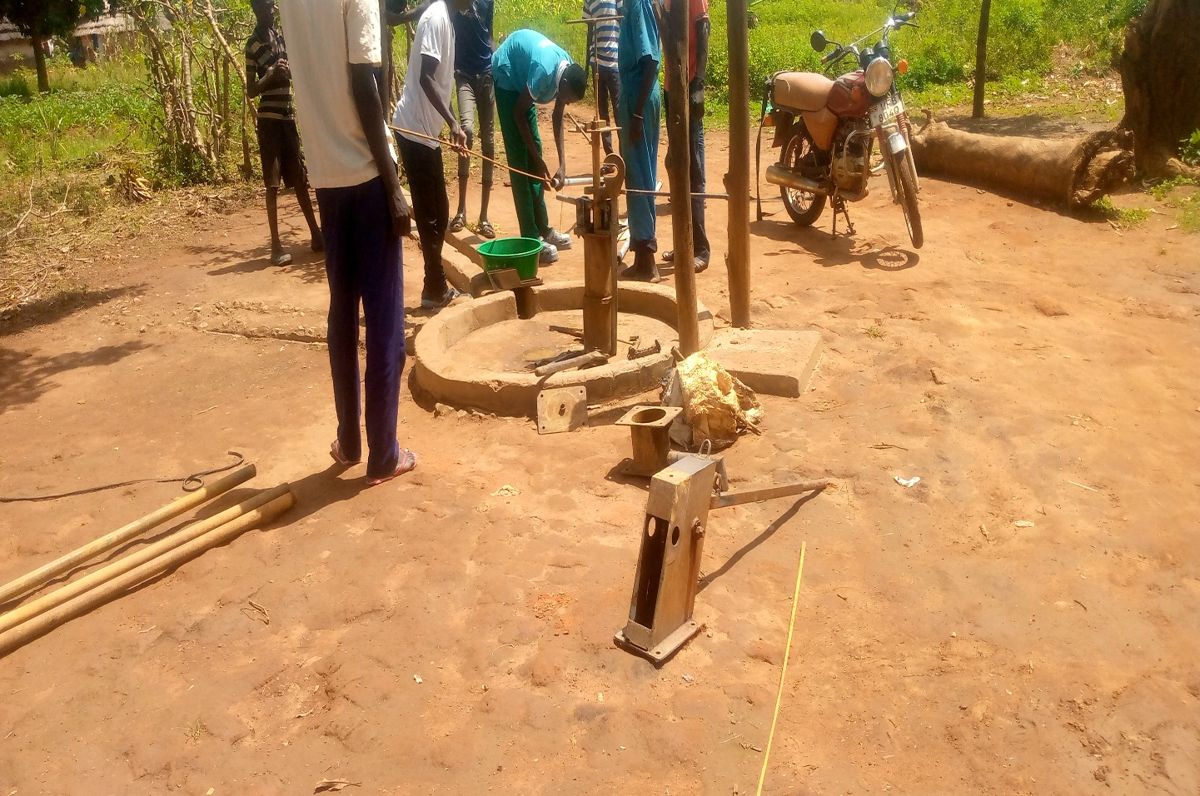
Patongo Primary School was one of two schools rated at very high risk. Its compound floods, its latrine pits fill with water in the rains, and the latrine stands only 15 metres from a water source, half the minimum distance in national guidance.
Since the training, the school has:
- protected its water source and kept stray animals off the compound
- drained the latrine and replaced rusted iron sheets on its roof
- dug waste pits and placed waste bins in some classrooms
- reactivated its school health club
Moodege Primary School: raised toilets, active pupils
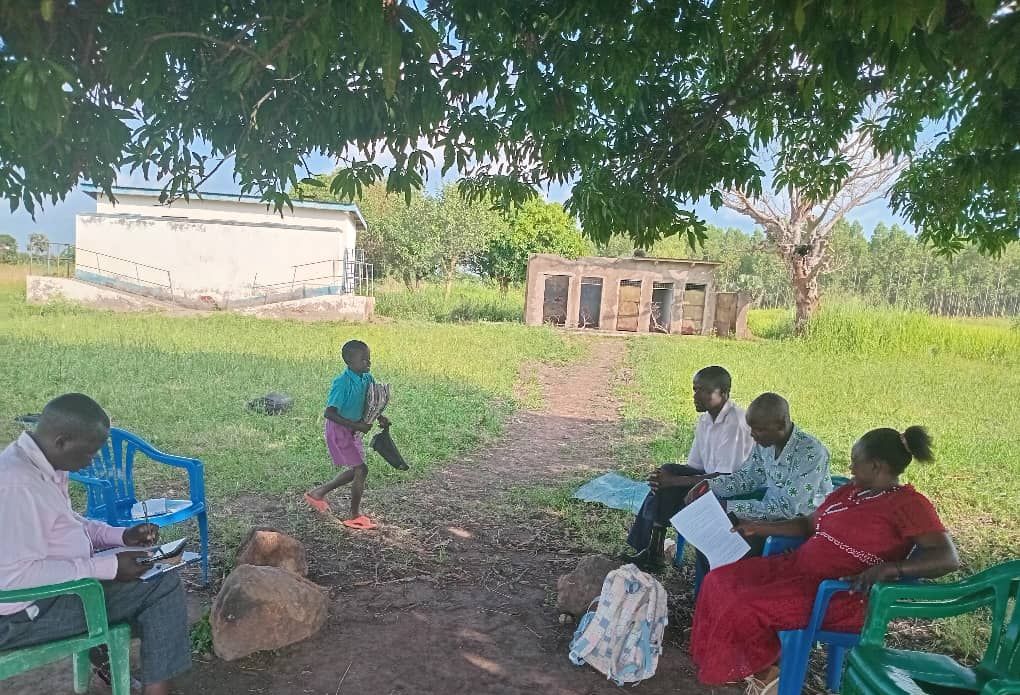
Moodege uses raised Ecosan toilets, the strongest structures in the assessment. Even so, floodwater has carried waste out of their collection chambers.
The school health club, with 40 members, now keeps the compound clean, has dug a waste pit, clears the waterways around the borehole and meets to review progress. Pupils have learned about sanitation hazards and report health problems to teachers more often.
Even with limited resources, our pupils and teachers have shown that commitment and awareness can transform hygiene practices and make our school a healthier place to learn.
Support for girls
In each school, the senior woman teacher received menstrual health guidelines and leads support for girls. The schools have set up temporary changing rooms, given reusable pads to girls and provided buckets, soap and jerrycans, though supplies are limited. Girls receive guidance and counselling, and complicated cases are referred. Teachers report that girls are more comfortable at school during their periods.
What still stands in the way
The schools' own effort has limits. Money for cleaning materials, pads and repairs is short, the health clubs have little time for their work, and some parents object to children taking part in cleaning. The bigger fixes agreed after the assessment still need funding: an incinerator, permanent changing rooms, repairs to cracked walls and roofs, and more Ecosan stances.
For Moodege, the district health inspector recommended emptying the Ecosan toilets regularly and using the treated by-product as fertiliser in the school garden, turning an unused room into a permanent changing room for girls, and regularly clearing or safely burning hazardous waste from the waste pit.
What we learned
- Schools act once teachers and pupils understand the risks. Most of the changes above cost little.
- Trained school health clubs give pupils a way to lead, and they keep the work going between visits.
- Both schools asked for the risk check to be repeated in other schools, and for school management committees and parent–teacher associations to be trained too.
Part of the project Climate-resilient sanitation in Patongo schools.